What Your Body Piercer Should Know About You
always ask to see your piercer’s county health department permit and current blood-borne pathogen certification before you get started.
Frequently asked questions regarding body piercing and body jewelry types.
always ask to see your piercer’s county health department permit and current blood-borne pathogen certification before you get started.
find a company that publicly posts their spore test results on their autoclave equipment so you know without a doubt that what you are getting is the safest possible choice for you and your clients

“…make sure you purchase a body piercing kit that includes sterile body jewelry, and make sure your kit gives you proper how-to instructions (ideally videos) and proper aftercare instructions…”
One of the most common types of forceps used in body piercing is called a ‘sponge forcep’ which was designed as a surgical instrument used to grab and hold small sponges used during surgeries

If you are autoclaving the corks prior to piercing, you should always use the rubber types, since they are not as porous as the cork ones and will not retain moisture or bacteria

“…a pair of forceps (also referred to as ‘clamps’) can be fastened in a way that will secure the spot for accurate (and sometimes less painful) piercing…”
“A great number of people that are having their first body piercings done would rather purchase a body piercing kit (and do it themselves) than go into a tattoo shop full of ex-cons that ooze arrogance and attitude…”
“…once you have fulfilled the first requirements, you will need to become permitted as a body art technician with the health department of the county you will be working in…”
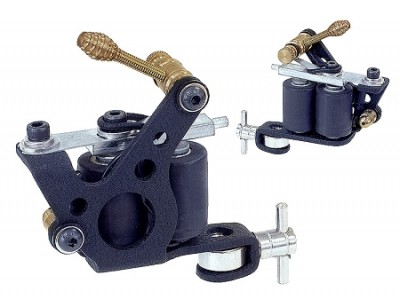
“…a tattoo kit should also include sterile tattoo needles, inks, ink cup holders, some practice skin, transfer paper, rubber bands, nipples and basic hardware…”

“Although they can be a bit more maintenance, the inherent beauty of finely crafted organic plugs and ear tunnels makes them worth it…”