Body Piercing Supplies: Body Art or Medical Origin?
One of the most common types of forceps used in body piercing is called a ‘sponge forcep’ which was designed as a surgical instrument used to grab and hold small sponges used during surgeries
Professional Body Piercing tips, info and insights for body piercings of all kinds.
One of the most common types of forceps used in body piercing is called a ‘sponge forcep’ which was designed as a surgical instrument used to grab and hold small sponges used during surgeries

If you are autoclaving the corks prior to piercing, you should always use the rubber types, since they are not as porous as the cork ones and will not retain moisture or bacteria

“…a pair of forceps (also referred to as ‘clamps’) can be fastened in a way that will secure the spot for accurate (and sometimes less painful) piercing…”

Benzalkonium chloride (also known as ‘benz’) is actually superior to alcohol in that it not only disinfects better than alcohol, but it does not burn like alcohol does in an open wound

“The proper method is through the use of a dermal punch, where a circular plug of skin is removed to allow the easy insertion of the dermal anchor under the surface of the skin…”
“…once you have fulfilled the first requirements, you will need to become permitted as a body art technician with the health department of the county you will be working in…”
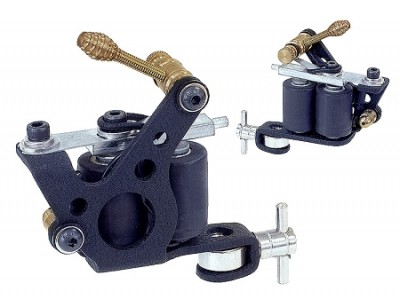
“…a tattoo kit should also include sterile tattoo needles, inks, ink cup holders, some practice skin, transfer paper, rubber bands, nipples and basic hardware…”
The first question you should ask is if the piercer is registered and permitted by the local health department. If they are, they will have a health department permit posted in plain sight, along with a permit number you can jot down for verification. If your tattoo artist or piercer gives you the run-around, or says it isn’t with them, they are not registered and you should leave.

“Body piercers today routinely make over $100.00 per hour since they can perform multiple piercings within that hour…”
“If you doubt the importance of sterile body jewelry, ask yourself this question – what good does it do to use a sterile needle, prep and even sterile tools if you are going to just shove a dirty piece of body jewelry into the open wound?”